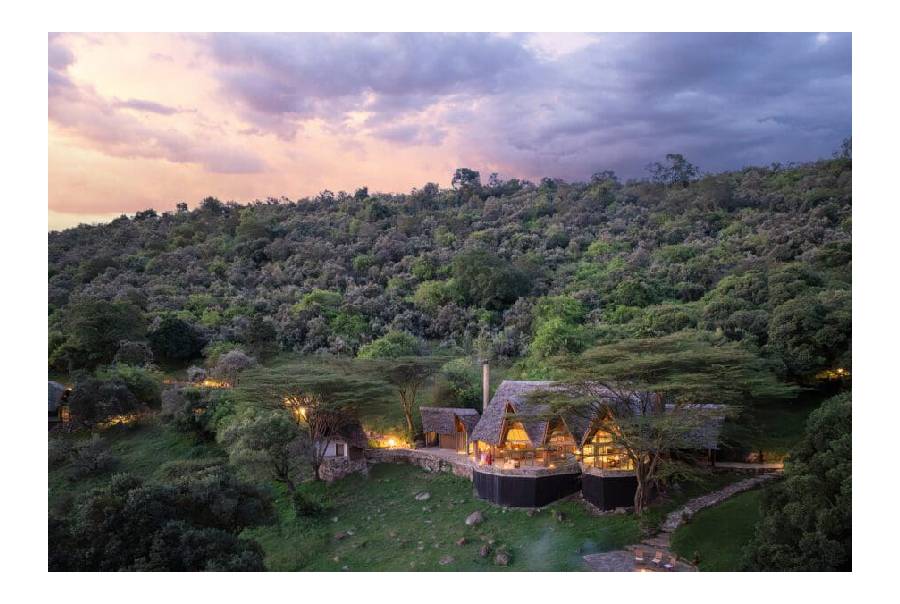
A Masai Mara safari is the trip most travellers picture when they think of Kenya: golden plains, flat-topped acacias, lion prides and, in the right months, hundreds of thousands of wildebeest crossing a river full of crocodiles. The Mara is big and varied, though, and where you stay changes what you see and how many other vehicles you share it with. This guide explains the four parts of the Mara we plan most often, when to go, and how to turn them into a trip that suits you.
Thank you for reading this post, don't forget to subscribe!Masai Mara at a glance
- Where: south-west Kenya, on the border with Tanzania. The Mara and the Serengeti are one continuous ecosystem, described in more detail in this overview of the Maasai Mara.
- Famous for: the Big Five (lion, leopard, elephant, buffalo and rhino) and the Great Migration.
- Getting there: a scheduled or charter flight from Nairobi to a Mara airstrip takes about an hour. The drive takes most of a day.
- Who runs what: the national reserve is administered by Narok County, the Mara Triangle by the non-profit Mara Conservancy, and the private conservancies by Maasai landowners together with partner camps.
It helps to think of the Mara as four different experiences rather than one place. Each suits a different kind of traveller.
1. Mara North Conservancy: the private kingdom
Mara North Conservancy runs along the northern edge of the national reserve and covers more than 28,000 hectares of rolling savannah. The land is leased from Maasai families and shared with only a small number of camps, so the number of vehicles stays low.
That matters because the rules inside the national reserve are strict: vehicles must keep to tracks, and a popular sighting can quickly draw a crowd. In a conservancy, camps can usually offer off-road driving to follow a sighting, night drives and guided bush walks, none of which are allowed in the reserve itself. Rules differ between conservancies, so we check them before we recommend a camp.
During the migration season, herds spill across the boundary into the conservancy. You can watch a predator hunt with few or no other vehicles around, and your stay supports the Maasai landowners directly. If you want world-class wildlife without the crowds, this is where we send most first-time and returning guests alike.
2. The Mara Triangle: the quiet western frontier
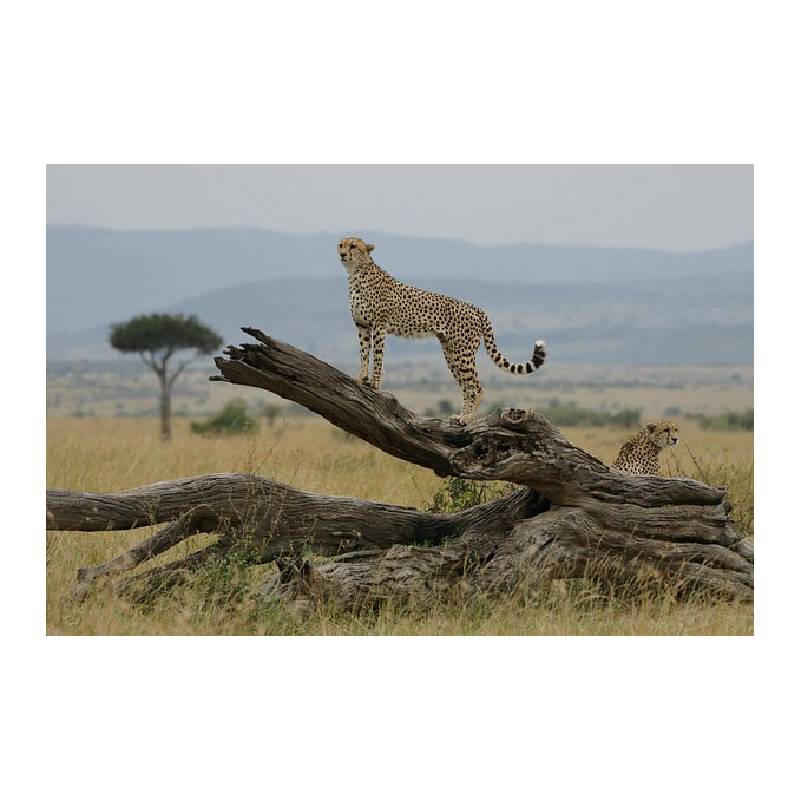
The Mara Triangle is the western sector of the reserve, roughly 510 square kilometres or about a third of the whole. It lies between the Oloololo Escarpment and the Mara River, and the escarpment forms a natural amphitheatre that is full of animals. Since 2001 it has been managed by the not-for-profit Mara Conservancy, which keeps the roads in good shape and runs anti-poaching patrols.
The Triangle is generally quieter than the busier eastern sector, and its open views are superb. It is also where large herds from the Serengeti tend to enter the Mara, which makes it one of the best places to catch the first river crossings of the season. If you value space, big skies and a more traditional safari feel, ask for a base in or near the Triangle.
3. The Mara River: the theatre of life
The Mara River is the centre of the Great Migration. It is the lifeline of the ecosystem, and from roughly July to October it draws wildebeest, zebra, buffalo and elephants down to its banks. Giant Nile crocodiles wait below the surface, and pods of hippos crowd the bends.
Crossings are dramatic and completely unpredictable. A herd can gather at the edge for hours, cross in minutes or turn back altogether. A few tips make a real difference:
- Allow time. Stay at least five nights so that you get several chances at a crossing.
- Use an experienced guide. A guide who knows the crossing points will position your vehicle early and read the herd.
- Choose your camp with care. A camp close to the river cuts travel time, but a quieter camp further away gives you better sleep.
- Bring a long lens and plenty of patience.
Our suggestion is simple: spend your days at the river for the drama, and sleep somewhere quiet where nothing but the bush is making noise.
4. Sekenani: the forest hideaway
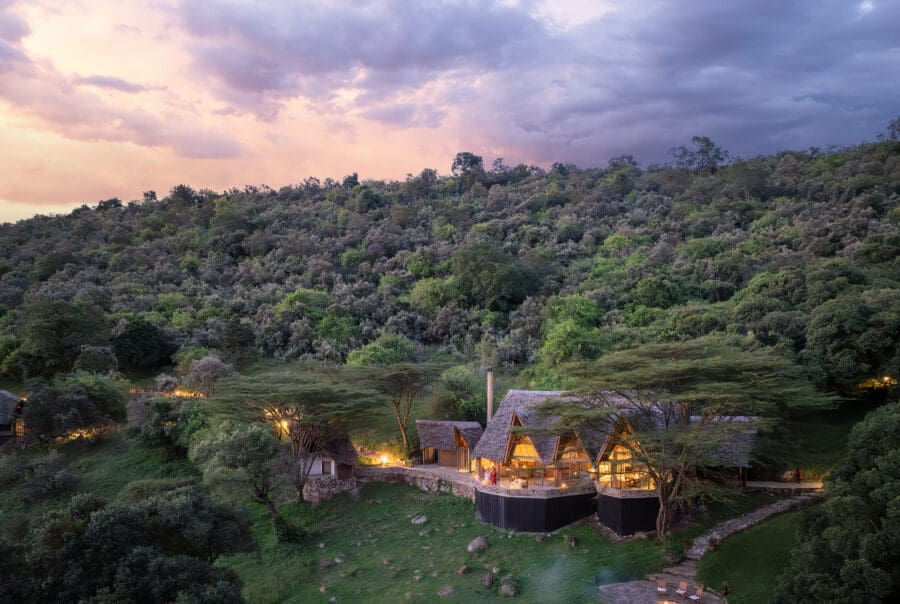
Not every Mara base needs to be on the open plains. Sekenani Camp sits among trees near the source of the Sekenani River, a green and shaded contrast to the savannah. It has about 15 large tents, set well apart, so it feels like a true old-Africa bush camp rather than a busy lodge.
It is also practical. The camp is just outside the main eastern gate, so you can reach the reserve quickly for a game drive and then return to shade, birdsong and a cold drink. It is a good first or last stop on a longer itinerary.
When to go to the Masai Mara
- July to October: the Great Migration and the best chance of river crossings. It is also the busiest and most expensive period, so book early.
- January to March: warm, quieter and good for resident wildlife and big cats, with lower rates.
- April and May: the long rains. The landscape is lush and prices are lowest, though some camps close.
- November and December: the short rains bring green scenery and fewer visitors.
The Mara can be rewarding year-round, so the right month depends on what matters most to you. If you are unsure, our guide to choosing between a Masai Mara or Serengeti balloon safari also explains how the seasons change what you see from the air.
More than game drives
A Mara trip does not have to be only vehicles. Popular additions include:
- A sunrise hot air balloon safari over the Masai Mara, finished with a champagne bush breakfast.
- Guided walking safaris in the conservancies, led by a Maasai guide.
- A respectful, community-hosted visit to a Maasai village.
- Photography drives in private vehicles, so you can stay with a sighting for as long as you like.
How B Hudson Tours plans your Masai Mara safari
We design Masai Mara safari packages around you. Every trip includes private 4×4 safari vehicles, certified guides, hand-picked camps and lodges, flights between Nairobi and the Mara, and a smooth airport meet and greet. We then match the area to your priorities:
- Mara North for privacy, off-road sightings and night drives.
- The Mara Triangle for open views and early migration action.
- The Mara River if the crossings are your main goal.
- Sekenani for easy access and a shaded, relaxed base.
The Mara also combines well with the rest of Kenya. You can add the elephants and Kilimanjaro views of Amboseli, the rare northern species of Samburu, or finish on the beach with our Watamu and Diani bush-to-beach circuit. Browse our Kenya destination page to see current packages.
Masai Mara safari FAQs
What is the best month for river crossings?
Crossings usually peak between August and September, but timing depends on the rains and the movement of the herds. No guide can promise a crossing on a given day, which is why a longer stay improves your chances.
How many days do I need in the Masai Mara?
We recommend at least three nights. Allow five or more if you want to combine a conservancy with the river and the Mara Triangle.
Should I choose a conservancy or the national reserve?
A conservancy offers fewer vehicles and more flexible activities such as night drives and walks. The reserve offers wide coverage and often lower rates. Many travellers combine both.
Is the Masai Mara suitable for children?
Yes. Many camps welcome families, though minimum ages vary and some activities, such as walks and balloon flights, have age limits.
Ready to plan? Contact B Hudson Tours for a custom Masai Mara consultation, and we will build an itinerary around your dates, budget and style of travel.
Samburu National Reserve: Special Five Safari Guide 2026 – B Hudson Tours Ltd
[…] well with other Kenyan stops. Many travellers start in the north and then continue south to the Masai Mara, add the elephant herds and Kilimanjaro views of Amboseli, or finish on the beach with our Watamu […]
Amboseli National Park Safari: Elephants and Kilimanjaro – B Hudson Tours Ltd
[…] well as one stop on a longer itinerary. Many guests pair it with the big cats and migration of the Masai Mara, the rare northern species of Samburu, and a finish on the coast with our Watamu and Diani […]