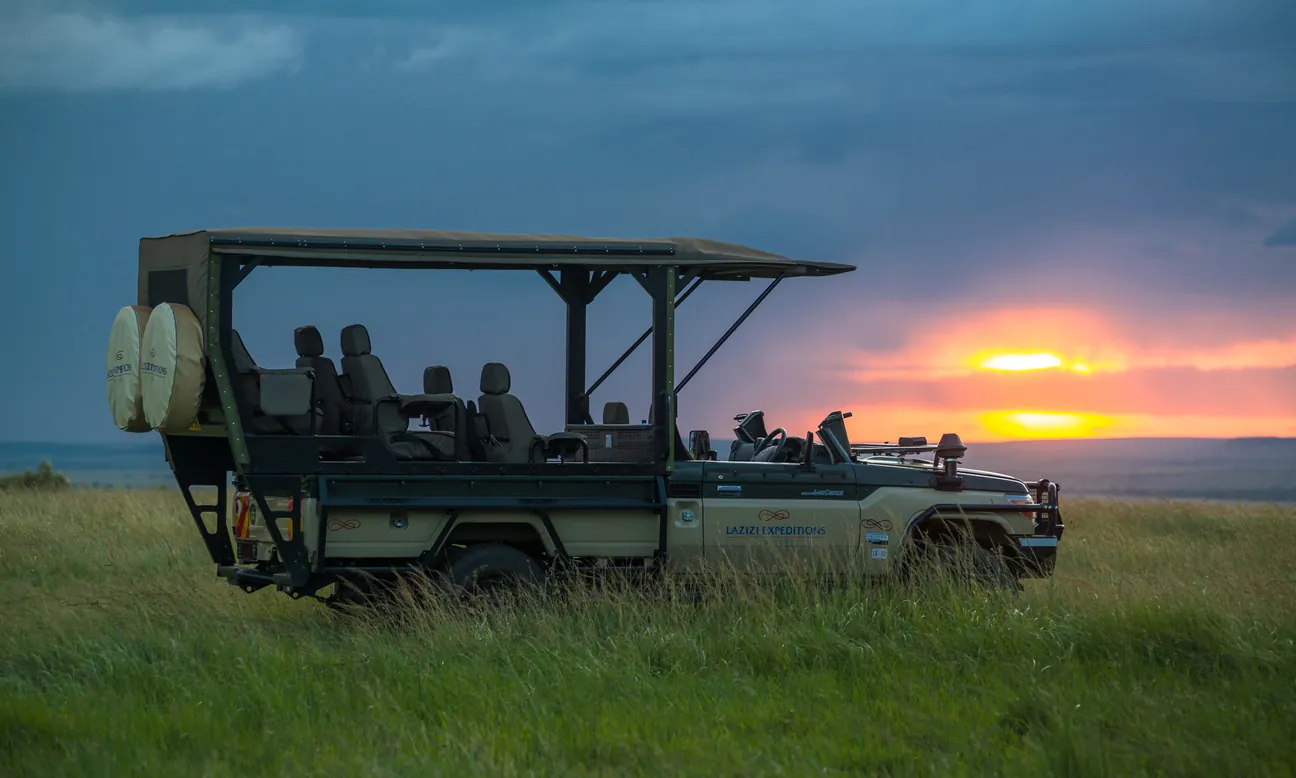
Planning your first safari in Kenya can feel like a lot. There are entry rules, park fees, health checks, packing lists and dozens of parks to choose from. This Kenya safari planning guide brings the essentials together in one place, from the electronic travel authorisation to what to wear on a game drive, so you can plan with confidence and spend your time looking forward to the trip.
Step 1: Choose where to go
Kenya has more than 50 national parks and reserves. Most first-time visitors pick two or three, depending on their interests and how much time they have.
- Masai Mara: big cats, open plains and the Great Migration from about July to October. Read our Masai Mara safari guide and our Great Migration guide.
- Amboseli: large elephant herds with Mount Kilimanjaro behind them. See our Amboseli guide.
- Samburu: dry northern country with species you will not see in the south. See our Samburu guide.
- Tsavo East and West: huge, quiet parks that are easy to combine with the coast. See our Tsavo safari guide.
- Lake Nakuru and Lake Naivasha: rhinos, hippos and boat rides within a few hours of Nairobi. See our Rift Valley lakes guide.
Step 2: Decide how long to go for
- 2 to 3 days: one park, such as the Masai Mara, Amboseli or Lake Nakuru.
- 5 to 7 days: two or three parks, such as the Mara, Lake Nakuru and Amboseli.
- 10 days or more: a full safari followed by a beach stay in Diani, Watamu or Lamu, or a hop across to Zanzibar.
Allow at least two nights in each park. Distances are long, and the best wildlife viewing is in the early morning and late afternoon, so short stays mean more time in the car and less time with the animals.
Step 3: Pick the best time to travel
- June to October: the long dry season and the best months for game viewing. The migration is usually in the Mara from July to October. This is the busiest and most expensive time.
- January to February: the short dry season, with good game viewing, green landscapes and fewer visitors.
- March to May: the long rains. Expect lower rates, fewer crowds and some muddy roads. Some camps close in April and May.
- November to early December: the short rains, usually afternoon showers, with lush scenery and migrant birds.

Step 4: Check the entry requirements
Kenya abolished visas in January 2024 and replaced them with an Electronic Travel Authorisation (eTA). Most visitors must apply online at the official Kenya eTA website before they travel. In 2025, the rules changed so that most African nationals, along with travellers from the East African Community, no longer need an eTA. Visitors from most other countries still do.
Things to know about the eTA:
- Apply at least three days before you travel. You can apply up to 90 days ahead.
- Your passport should be valid for at least six months after you arrive, with at least one blank page.
- You will need your travel details and proof of accommodation. We provide booking confirmations for your safari.
- Only use the official government website. Third-party sites charge extra fees.
Entry rules can change, so check the official eTA website or your nearest Kenyan embassy before you book flights.
Step 5: Prepare for your health
Talk to a doctor or travel clinic at least six weeks before you travel. They will advise you based on your health and itinerary. Common topics include:
- Yellow fever: a vaccination certificate is required if you arrive from, or have transited through, a country with a risk of yellow fever. The vaccine is also recommended for many parts of Kenya.
- Malaria: there is a malaria risk in many safari areas and on the coast. Ask your doctor about anti-malaria tablets, and use insect repellent, long sleeves and mosquito nets in the evening.
- Routine vaccinations: make sure these are up to date, and ask about others such as hepatitis A and typhoid.
- Travel insurance: choose a policy that covers medical treatment and emergency evacuation. Many safari areas are remote.
Step 6: Understand park fees
Park fees are charged per person per day and go towards conservation. They are usually the biggest cost after accommodation. National parks are run by the Kenya Wildlife Service, while the Masai Mara National Reserve is run by Narok County. Different rates apply to East African citizens, residents and non-residents.
Examples of adult conservation fees per day:
- Amboseli and Lake Nakuru: USD 90 for non-residents, KSh 1,500 for East African citizens (KWS schedule, October 2025).
- Tsavo East, Tsavo West and Nairobi National Park: USD 80 for non-residents, KSh 1,000 for East African citizens (KWS schedule, October 2025).
- Hell’s Gate: USD 50 for non-residents, KSh 500 for East African citizens (KWS schedule, October 2025).
- Masai Mara National Reserve: USD 100 for non-residents from January to June and USD 200 from July to December (2026 rates).
Fees are paid electronically, and they change from time to time. Our quotes include the current fees, so there are no surprises.
Step 7: Choose how to get around
By road
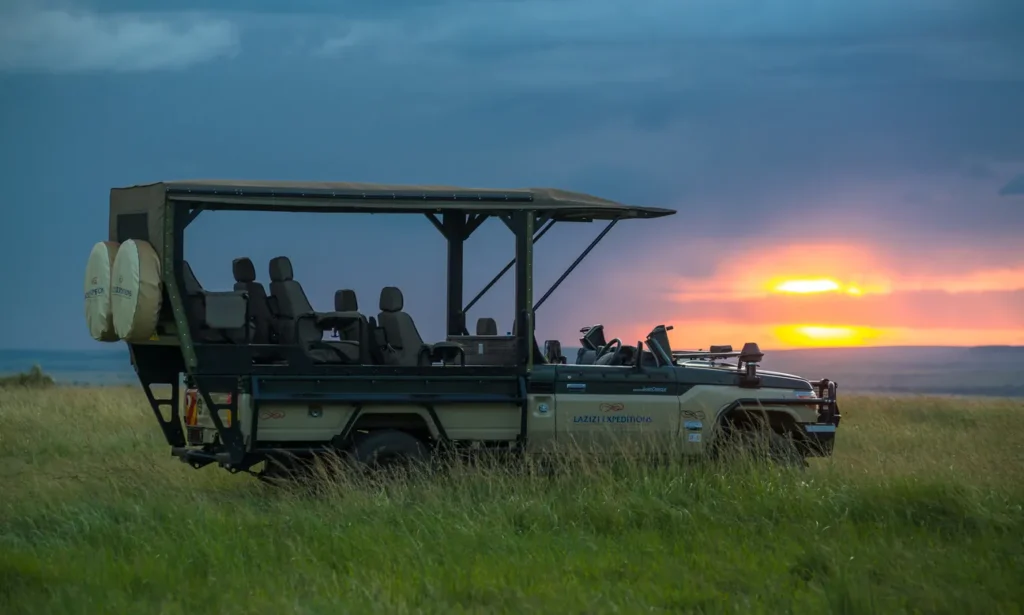
Most safaris travel by road in a 4×4 Land Cruiser or safari van with a pop-up roof for game viewing. Road safaris are good value and let you see the countryside between parks. See our safari vehicles.
By air
Small aircraft fly from Nairobi’s Wilson Airport to airstrips in the Masai Mara, Amboseli, Samburu and other parks. Flying saves hours of driving and suits shorter trips. Luggage limits are strict, usually around 15 kilograms per person in soft bags.
By train
The Madaraka Express SGR train connects Nairobi and Mombasa, with a stop at Voi for Tsavo. It is a comfortable way to combine a safari with the coast.
Step 8: Pack the right things
Clothing
- Neutral colours such as khaki, beige, olive and brown. Avoid dark blue and black, which attract tsetse flies, and avoid camouflage prints.
- Light layers for warm days, and a fleece or warm jacket for early mornings and evenings, which can be cold.
- Long sleeves and trousers for the evenings to protect against mosquitoes.
- A wide-brimmed hat, sunglasses and comfortable closed shoes.
- A swimsuit, as many lodges have pools.
Gear
- Binoculars, ideally one pair per person.
- A camera with a zoom lens, spare batteries and memory cards.
- Sunscreen, insect repellent and any personal medication.
- A power bank and a UK-style three-pin plug adapter (Type G).
- A soft duffel bag if you are flying between parks.
What to leave at home
Kenya bans single-use plastic carrier bags, so pack your toiletries in reusable pouches instead. Drones need a permit from the Kenya Civil Aviation Authority, so leave yours at home unless the permit is arranged in advance.
Step 9: Money, tipping and connectivity
- Currency: the Kenya shilling (KSh). US dollars are widely accepted at lodges, and card payments are common in cities and larger hotels.
- Mobile money: M-Pesa is used almost everywhere in Kenya. Visitors can register for a local SIM card with their passport.
- Tipping: tipping guides, drivers and camp staff is customary and appreciated. We will give you guidance on amounts before you travel.
- Wi-Fi: most lodges have Wi-Fi, but it may be slow or limited to the main areas. Enjoy the break.
Step 10: Safari etiquette
- Stay in the vehicle unless your guide says it is safe to get out.
- Keep your voice down near animals, and never feed them.
- Respect your guide’s decisions on distance and timing. They protect you and the wildlife.
- Ask before taking photographs of people, especially in Maasai and Samburu communities.
- Take all your litter with you.
Plan your Kenya safari with B Hudson Tours
We handle the planning for you, from park fees and transport to lodges, flights and beach extensions. Tell us when you want to travel, who is coming and your budget, and we will put together a tailor-made safari. Browse our safari experiences, our Kenya destinations or start planning your trip.
Kenya safari planning FAQs
Do I need a visa for Kenya?
Kenya no longer issues visas. Most visitors need an Electronic Travel Authorisation (eTA), which you apply for online before travelling. Most African nationals and East African Community citizens are exempt.
How much does a Kenya safari cost?
It depends on the parks, the season, the type of accommodation and how you travel. Park fees, accommodation and transport are the main costs. Contact us for a quote based on your plans.
Is a safari in Kenya safe?
Kenya’s main safari areas welcome many visitors each year. Follow your guide’s instructions, keep valuables secure in cities, and check your government’s travel advice before you go.
What is the best safari for first-time visitors?
The Masai Mara is a great first safari for its big cats and open plains. Combine it with Lake Nakuru or Amboseli for variety.
Can children go on safari?
Yes. Many lodges welcome families and offer children’s activities. Some camps have minimum ages for game drives or walks, so tell us your children’s ages when you enquire.
Ready to start planning? Contact B Hudson Tours and we will help you plan the safari that suits you.
Leave a Reply