Quick answer: the top things to do in Watamu are a dolphin and snorkelling boat trip in Watamu Marine National Park, a dhow cruise on Mida Creek, the Gede Ruins and the butterfly farm, a guided walk in Arabuko-Sokoke Forest, deep-sea fishing, and a day trip to Hell’s Kitchen at Marafa. Most cost USD 20 to 70 per person, apart from fishing charters.
Watamu is a small fishing village on Kenya’s north coast, about 1.5 hours north of Mombasa and 20 minutes south of Malindi. It has white beaches, a protected marine park, a mangrove creek full of birds and a 13th-century Swahili town hidden in the forest. This guide covers the best things to do in Watamu, how much each activity costs, and when to go.
1. Dolphin watching and snorkelling in the marine park
Watamu Marine National Park was gazetted in 1968, making it one of Africa’s earliest marine protected areas. Its coral gardens are a no-take zone, so the fish life is rich and the water is calm inside the reef at low tide.
The most popular trip is a morning boat ride out to look for dolphins, followed by snorkelling on the reef. Options include:
- Dolphin watch and snorkelling morning trip: a few hours on the water, back for lunch.
- Dolphin watching boat trip: for those who want to stay dry.
- Guided snorkel safari or an unguided snorkelling trip: focused time on the coral.
- Blue Safari with dolphin watching and snorkelling: a full day from 9:30 am to 4 pm, with lunch.
The KWS marine park fee is USD 25 for non-residents, KSh 675 for Kenya residents and KSh 500 for East African citizens per adult (October 2025 schedule). Early mornings usually bring calmer seas and better visibility.
2. Dhow cruises on Mida Creek
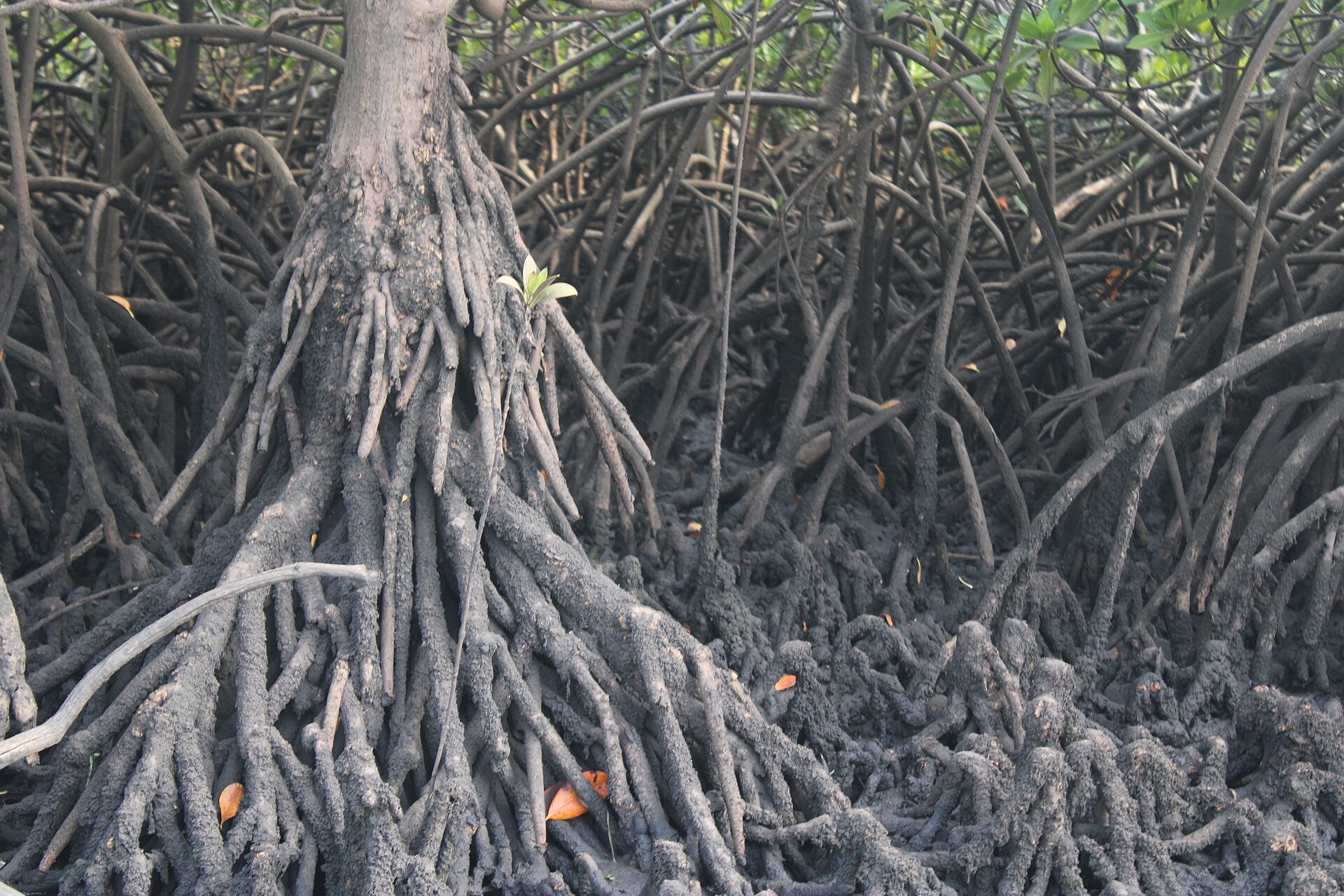
Mida Creek is a tidal inlet lined with mangroves, and it is one of the most important bird sites on the East African coast. At low tide the sandbanks fill with crab plovers, terns and waders, and in the evening the light turns gold over the water. A traditional wooden dhow is the best way to see it.
- Sunrise dhow breakfast: a peaceful start to the day.
- Dhow cruise with BBQ lunch: a long, lazy lunch on a sandbank.
- Afternoon sunset dhow cruise: the most popular choice for couples.
- Dinner dhow cruise: a candle-lit dinner on the water.
For birdwatchers, the birdwatching trip by dinghy reaches the shallow channels that a dhow cannot, and the Mida Creek mangrove walk follows boardwalks through the trees.
3. Gede Ruins and the Kipepeo Butterfly Farm
Just inland from Watamu, the ruins of Gede are the remains of a Swahili town that flourished from about the 13th to the 17th century and was then abandoned. Mosques, a palace, houses and wells lie under tall forest trees, with monkeys in the branches. Next door, the Kipepeo Butterfly Farm works with local families who raise butterflies from the forest for export, giving them an income that depends on keeping the forest standing.
Our Gede Ruins and Butterfly Farm afternoon tour covers both in a few relaxed hours.
4. Arabuko-Sokoke Forest
Arabuko-Sokoke is the largest surviving block of coastal dry forest in East Africa. It is home to rare species found almost nowhere else, including the golden-rumped elephant shrew, the Sokoke scops owl and Clarke’s weaver. Walking with a local guide is the best way to find them.
- Arabuko-Sokoke Forest walk: a guided nature walk, best early in the morning.
- Arabuko-Sokoke Forest and Mida Creek mangroves tour: forest and creek in one trip.
5. Deep-sea fishing
Watamu is one of Africa’s best-known big-game fishing spots. The main season runs from about December to March, when sailfish and marlin come close to the reef edge. A private fishing charter includes the boat, crew and tackle, and most operators practise tag-and-release for billfish.
6. Hell’s Kitchen at Marafa
About an hour inland from Malindi, the Marafa Depression is a canyon of eroded sandstone in shades of red, pink and cream. Locals call it Nyari, “the place broken by itself”, and visitors know it as Hell’s Kitchen. Go in the late afternoon, when the colours glow. Our Hell’s Kitchen day trip picks you up from Watamu or Malindi.
7. Day trips to Malindi and Mombasa
Malindi has the Vasco da Gama pillar, a lively old town and good Italian food. Join the Malindi town tour for a half day. For a bigger day out, the Mombasa full-day city tour takes you south to Kenya’s oldest city for Fort Jesus, the Old Town and more.
8. Turtle watching
Green and hawksbill turtles nest on Watamu’s beaches, and a local conservation group runs a turtle protection and rehabilitation programme. Nesting and hatching can happen year-round, with more activity in some months than others. Sightings are never guaranteed, but ask at your hotel, as hatchling releases are sometimes open to visitors.
Where to stay in Watamu
- Hemingways Watamu: a stylish beachfront hotel and a favourite with fishing fans.
- Hemingways Residences Watamu: spacious apartments for families and groups.
- Medina Palms: suites and villas with private pools.
- Turtle Bay Beach Club: all-inclusive and good for families.
- Temple Point Resort: right at the mouth of Mida Creek.
- Kobe Suite Resort: good value with a large pool.
See all Watamu packages and nearby Malindi stays.
Best time to visit Watamu
- December to March: hot, dry and calm. The best snorkelling visibility and the fishing season.
- April to June: the long rains. Some hotels close for part of this period, and seas can be rough.
- July to October: drier and breezy, a good time for kitesurfing and a natural add-on to a migration safari.
- November: short rains, usually brief afternoon showers.
Getting to Watamu
Fly from Nairobi to Malindi in about an hour, then drive 20 minutes south. Alternatively, take the Madaraka Express train to Mombasa and drive about two hours north. We can arrange transfers from either airport. For a full bush-and-beach plan, read our Watamu and Diani guide.
Things to do in Watamu: a sample three-day plan
- Day 1: morning dolphin and snorkelling trip, afternoon on the beach, sunset dhow on Mida Creek.
- Day 2: early forest walk in Arabuko-Sokoke, Gede Ruins and the butterfly farm in the afternoon.
- Day 3: Hell’s Kitchen or a Malindi town tour, or a day of fishing.
Frequently asked questions
Is Watamu good for families?
Yes. The lagoons are calm at low tide, the marine park is easy to snorkel, and several hotels have kids’ clubs.
How much is the Watamu Marine Park fee?
For non-resident adults it is USD 25 per day under the KWS schedule from October 2025. It is usually included in our boat trips, but check each listing.
Can I combine Watamu with a safari?
Yes. Tsavo East is about three hours away by road. See our Tsavo safari guide.
Book your Watamu activities
All our Watamu trips are listed under Kenyan coastal escapes. Tell us your hotel and dates, and we will put together a plan, or plan your trip with us now.